
 By Ata Ur Rahmen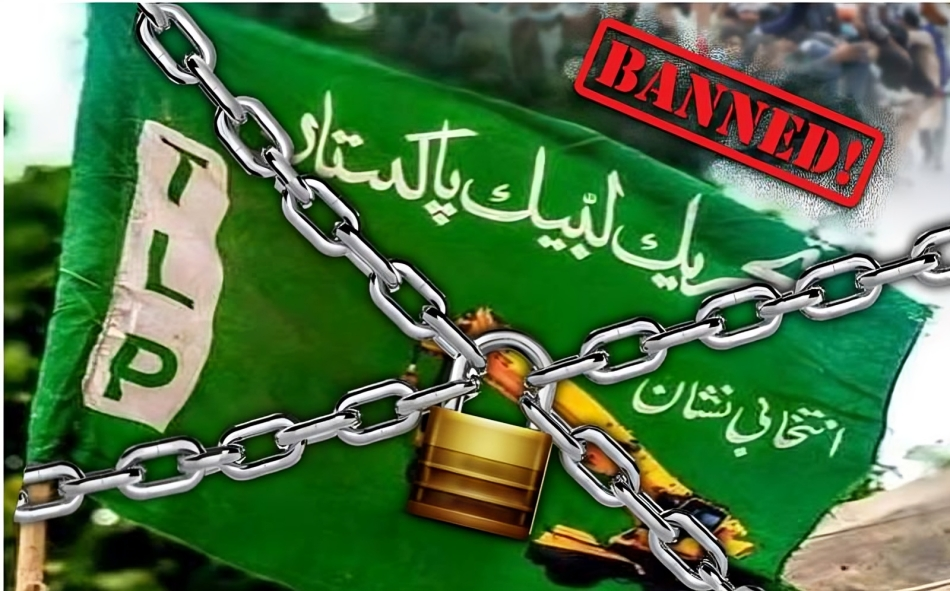
TLP Ban in Pakistan: Government Declares Tehreek-e-Labbaik a Proscribed Organization
Islamabad (AsalPakistan.pk) — The TLP Ban in Pakistan has officially been implemented after the Ministry of Interior issued a formal notification declaring Tehreek-e-Labbaik Pakistan (TLP) a proscribed organization. The decision, taken under the Anti-Terrorism Act (ATA) 1997, comes following the group’s alleged links to terrorism and its involvement in violent protests that disrupted public order.
According to the official notification issued from Islamabad, the government stated it has “reasonable grounds to believe that TLP is connected with and concerned in terrorism.” The Ministry’s order further stated that the group’s name has been added to the First Schedule of the ATA, marking its official status as a banned organization within Pakistan.
This move marks a major step in Pakistan’s ongoing efforts to counter violent extremism and restore law and order after a series of violent incidents linked to the group.
Federal Cabinet Unanimously Approves the Decision
The federal cabinet gave its final approval for the TLP Ban in Pakistan following a summary submitted by the Punjab government, which had recommended that the group be outlawed. The summary cited multiple incidents where TLP activities led to severe public unrest and endangered law enforcement personnel.
During a cabinet meeting chaired by the Prime Minister, all members unanimously agreed to impose the ban. A statement from the Prime Minister’s Office (PMO) confirmed the move, emphasizing that the government would not allow any organization to challenge the writ of the state or promote extremism.
Officials noted that this was not a sudden decision but the result of careful consideration and intelligence assessments regarding TLP’s recent actions and statements.
Violent Clashes During Gaza Rally Prompted Crackdown
The immediate trigger for the TLP Ban in Pakistan was a violent rally organized by the group earlier this month in support of Gaza. According to law enforcement reports, what began as a demonstration soon turned into violent clashes between TLP supporters and the police.
Protesters attempted to remove containers and barricades placed to maintain order, leading to direct confrontations. In the ensuing chaos, one police officer lost his life, while several others were injured. Property damage was also reported in various parts of Lahore and Rawalpindi.
Officials from the Interior Ministry stated that such incidents highlighted the threat posed by groups using religion or public causes as a cover for violent behavior. “No organization can be allowed to operate above the law or endanger public safety,” said an Interior Ministry spokesperson.
Why the Government Took Action
According to sources within the Ministry of Interior, the TLP Ban in Pakistan was not only a reaction to the recent protests but also part of a broader counter-terrorism initiative. Authorities claim that TLP’s repeated defiance of state orders, obstruction of roads, and incitement to violence posed a serious challenge to national security.
The government has stated that while peaceful protests are a democratic right, no political or religious group can be allowed to exploit public sentiments or engage in terrorism. Officials added that the ban is aimed at preventing further unrest and ensuring the safety of citizens.
Legal experts also note that once an organization is proscribed under the Anti-Terrorism Act, its activities are subject to strict monitoring, and its assets may be frozen by the authorities.
Implications of the Ban
The TLP Ban in Pakistan has far-reaching implications for both the organization and its supporters. As a proscribed entity, TLP will now be prohibited from holding rallies, collecting donations, or participating in political activities.
Members found engaging in the group’s operations could face criminal charges under anti-terrorism laws. The government is also expected to take action against the group’s leadership, with several senior members already under detention or investigation.
Political analysts suggest that this move sends a strong message that the state will no longer tolerate groups that disrupt peace under the guise of religion. However, they also warn that the government must ensure due process and fair enforcement to avoid alienating segments of the population.
Public and Political Reactions
Public response to the TLP Ban in Pakistan has been mixed. While many citizens have welcomed the decision, citing the need for peace and stability, others have expressed concerns about freedom of expression and political participation.
Civil society organizations have urged the government to maintain transparency in handling the case and to distinguish between peaceful activists and those involved in violence. Some political commentators believe the move could reshape Pakistan’s religious-political landscape, especially ahead of the next general elections.
Meanwhile, law enforcement agencies across the country have been placed on high alert to prevent any retaliatory protests or unrest.
Anti-Terrorism Act and Legal Framework
Under the Anti-Terrorism Act (ATA) 1997, the government holds the authority to proscribe any organization found involved in terrorism or activities that threaten public safety. The Act empowers the Interior Ministry to list such groups in the First Schedule and enforce strict penalties against individuals or entities associated with them.
With the TLP Ban in Pakistan, the group joins a growing list of organizations proscribed under the ATA. This highlights the government’s continued focus on maintaining national security and combating violent extremism through legal means.
A Defining Moment for Law and Order
The TLP Ban in Pakistan marks a decisive moment in the country’s struggle to balance religious freedom and public security. While the move has drawn both support and criticism, it underscores the government’s resolve to curb violence and uphold the rule of law.
As the situation unfolds, all eyes remain on how the state enforces this ban and whether it can maintain stability without further polarizing society. One thing, however, is clear: Pakistan’s leadership has sent a firm message that terrorism and violence will not be tolerated — regardless of political or religious affiliation.
Stay connected with AsalPakistan for verified updates.
